

TechSuit allows athlete and trainers to gain new insight into speed skating technique. This creates the opportunity for personalised feedback which making learning speed skating easier and more fun!
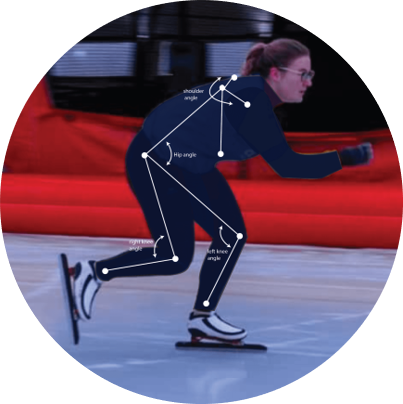
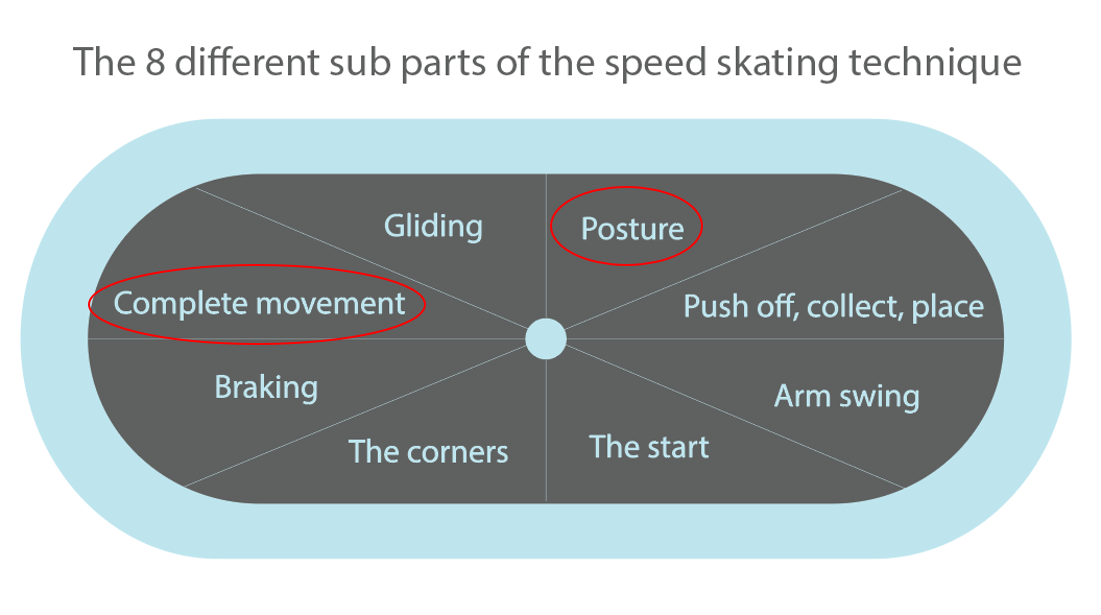
Through literature research and interviews with skaters, we identified 8 sub-parts of the speed skating technique. Our solution, TechSuit, combats the two most prominent and pressing problems, namely posture and the complete movement.
During speedskating, it is difficult for trainer to give personalised feedback to each athlete.
Either the trainer should skate along with one person, meaning the trainer cannot look at other athletes,
or the trainer can stand on the side. The latter allows the trainer to see everybody, but does not allow for elaborate feedback.
Next to that, as speedskating is very technical, it is difficult for athletes to know if a movement is performed correctly.
And that is where TechSuit comes in!
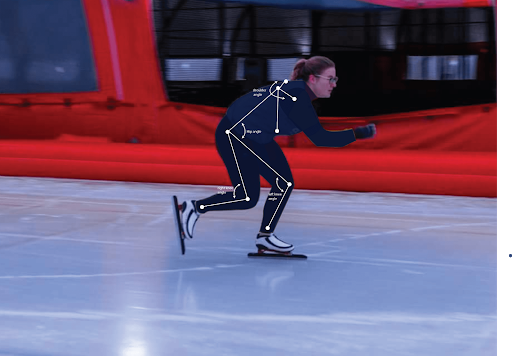
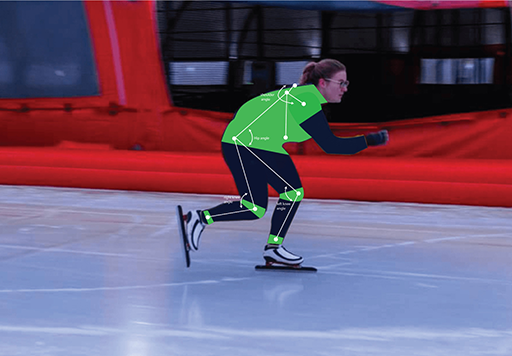
TechSuit can be purchased in 2 forms. You can either opt for an entire suit that sits snugly on your body or you can choose the version with straps. The full version would be better for long trainings as they ensure the sensors stay on the correct spot. The strap version is recommended for shorter trainings, as you can easily just strap the straps on and you are ready to go.
The TechSuit sends sensor data real time from the suit to the trainer, giving the trainer more insights into skating behaviour of its athletes.
This provides better, more effective feedback resulting in faster, better and more effective learning!
Moreover, the trainer can send instructions to the suit, allowing to give targeted feedback to an athlete from the side of the track. This makes giving feedback a whole lot easier.
The suit is one of the first to implement haptic feedback in Sports! Haptic feedback is good for processing temporal and spatial information, making it perfect to give feedback on posture and technique!
Lastly, through the sensors, the suit can give feedback based on pre-set settings. Perfect for when you are training without a trainer to observe you!
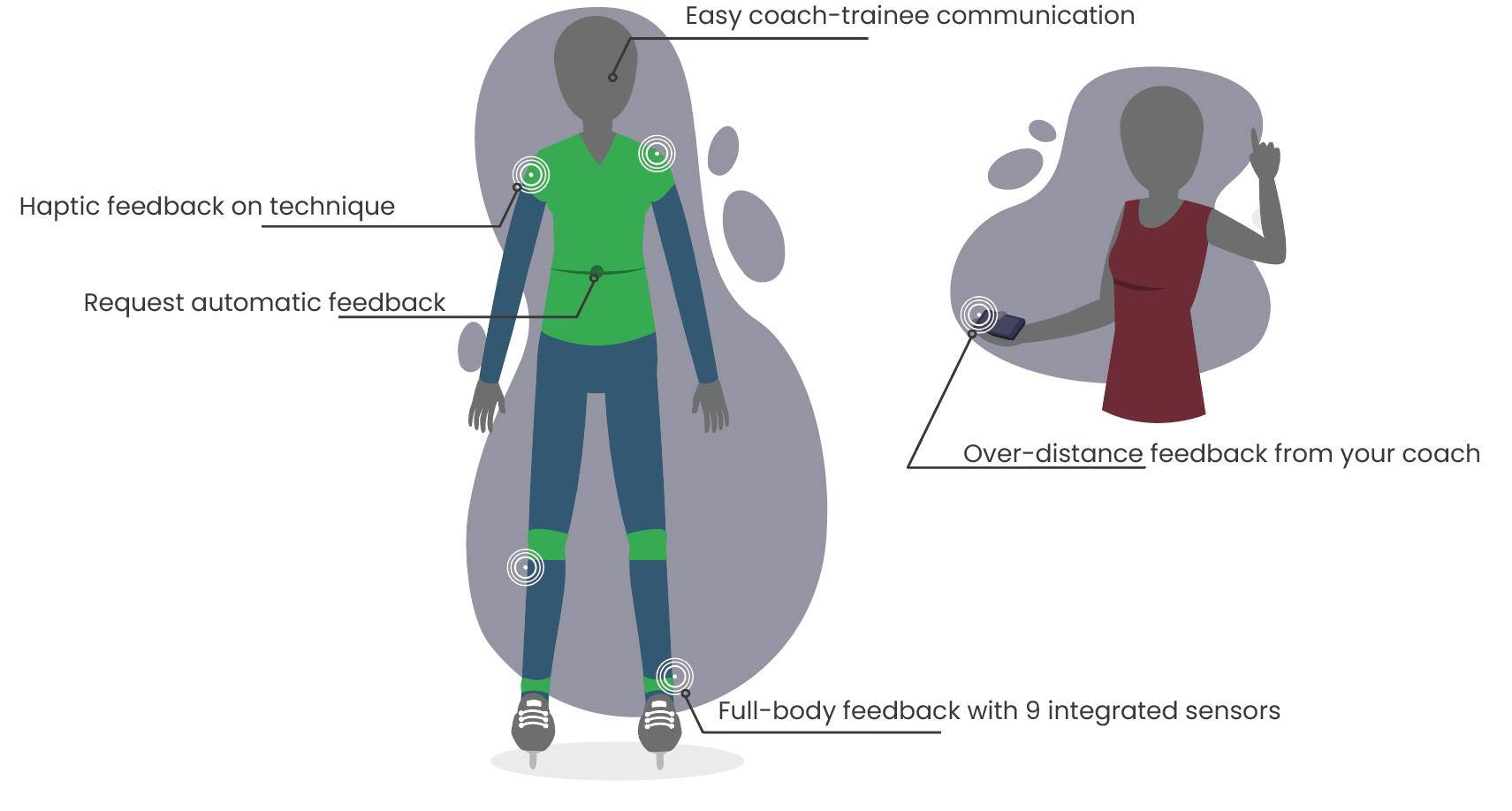
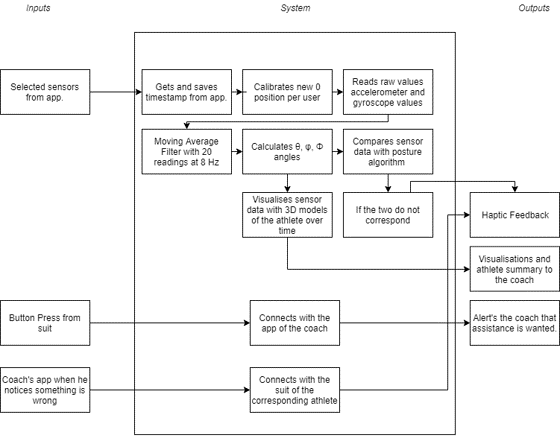
The TechSuit has 9 integrated sensors, regardless of suit type. These sensors can be turned on and off by using the connected app. There is also an option to alert the trainer if you need advice, so that the trainer knows they need to concentrate on you.
The system calculates your position by using accelerometers and can visualise the data with 3D models in real-time but also provide summaries of your performance after training. This data is also sent to the trainer to aid them in creating more personalised training regimes.
If the trainer sees there is something wrong, they can also activate the corresponding sensors in your suit to nudge you to correct your movement.